
身体を温めて寒さをしのぎましょう(愛知県名古屋市千種区姫池通 骨董買取 古美術風光舎)
2026.01.25
寒い日が続いておりますが、なんと今日は「日本最低気温の日」なんだそうな…。
日本最低気温は、1902年(明治35年)1月25日、北海道・旭川市で−41.0℃ を観測されました。100年以上たった現在でも更新されていない、日本の公式観測史上もっとも低い気温なのだそう。 地球温暖化と言われて久しいですが、最高気温は更新されても、最低気温が破られることは、今後ないかもしれませんね。
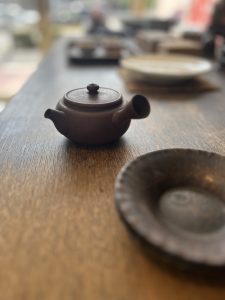
寒い日には、必ず飲みたくなる温かい飲み物。昨日のスタッフYのブログの紅茶もそうですが、お茶やコーヒー、ホットココアなど寒いときに好んで飲むものは人それぞれですよね。
とりあえず、どんな飲み物もホットにすれば体が温まって良いだろうと思っておりましたが、実はそうではないようなのです。そういったことに無頓着に過ごしてきましたが、年を重ねるにつれ、少し丁寧に過ごしていこうと思ったり思わなかったり…。
体を温める飲み物として思いつくのは「白湯」。その他、生姜湯、紅茶・ウーロン茶・ほうじ茶・玄米茶などなど。また、ココアや、シナモンやクローブなどのスパイスを使った「チャイ」もありましたね。特にチャイに入れるシナモンは私のような極度の冷え性に良いんだそうです。
逆に飲みすぎ注意な体を冷やす飲み物は、コーヒー、緑茶、麦茶、ホットミルクなど。
我が家、一年中麦茶を飲んでいるのですが、麦茶はノンカフェインですが、原料である大麦が、体を冷やす作用があるのだそう。また、利尿作用のあるカリウムも多く含まれ、体の熱を体外に排出する働きがあるため体を冷やしてしまうのだとか。これは、ちょっと改めなくては。
また、好き嫌いが分かれますが、「のむ点滴」と言われる甘酒も身体を温めます。
美容や健康に良いと注目されていて、効果としては疲れを癒し身体を温める効果があります。甘酒には、ブドウ糖、必須アミノ酸、パントテン酸、ビタミンB1、B2、B6、ビオチミンや腸内乳酸菌のエサとなるオリゴ糖、食物繊維などが含まれています。「のむ点滴」と言われるほど栄養豊富な甘酒は、熱中症対策の水分補給にも最適な飲み物とされていて、江戸時代には「甘酒売り」なんていう露天商もいたようで、冬は温めて、夏は冷やしてと、昔は一年中飲まれていたそうなのです。
そんな甘酒ですが、実は誰でも簡単に作ることができます。 材料はたったこれだけ。
1. お茶碗半分ぐらいのご飯
2. 水少々
3. 100gの麹
たったこれだけでも一人なら十分な量が作れます。麹は良いもので100g100円-200円程度なので、めちゃくちゃコスパがいいです。 そして、必要な道具は炊飯器のみ。
安く簡単に作れる甘酒ですが、難点が一つだけあります。それは時間です。出来上がるまでに大体10時間ぐらいかかりますので、その間炊飯器が使えないという…。休みの日に作ればまあ問題ないでしょうけど。
甘酒が苦手な人には、最近ではフルーツ甘酒やココア味の甘酒など、飲みやすく作られたものもたくさんあります。
とは言ったものの、実は私、健康と美容のためにはと思い、いろいろチャレンジしてみましたが、甘酒はあまり得意ではなかったみたいです。
身体を温めるというとショウガやキムチなどの唐辛子のイメージも強かったのですが、どれが効果的か、いろいろ楽しみながら飲んでみたいですね。
大寒を迎え、まだまだ厳しい寒さは続くようです。ぜひ簡単なことから取り入れてみて、寒い冬を心地よく。どうぞ暖かくしてお過ごしくださいね。
ではでは、また。(スタッフT)
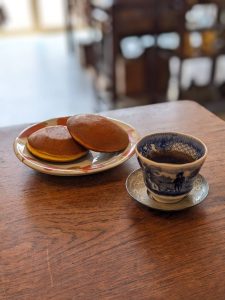
It’s been a string of cold days, but apparently today is “Japan’s Lowest Temperature Day”…
Japan’s lowest temperature was recorded on January 25, 1902 (Meiji 35), in Asahikawa City, Hokkaido: −41.0°C. Even now, over 100 years later, it remains the lowest temperature in Japan’s official observation history, never surpassed. While global warming has been discussed for a long time, even if record highs are broken, it seems unlikely the record low will ever be surpassed.
On cold days, you inevitably crave a warm drink. Like the tea mentioned in Staff Y’s blog yesterday, everyone has their own favorite cold-weather drinks—tea, coffee, hot cocoa, and so on.
I always assumed any hot drink would warm you up nicely, but apparently that’s not always the case. I’ve lived rather carelessly about such things, but as I get older, I sometimes think I should be a bit more mindful… or maybe not.
When thinking of drinks that warm the body, “hot water” comes to mind. Others include ginger tea, black tea, oolong tea, roasted green tea, genmaicha, and so on. There’s also cocoa, and “chai” made with spices like cinnamon and cloves. Apparently, the cinnamon in chai is especially good for people like me who suffer from extreme cold sensitivity.
Conversely, drinks that cool the body and should be consumed in moderation include coffee, green tea, barley tea, and hot milk.
My family drinks barley tea year-round. While barley tea is caffeine-free, the barley itself apparently has a cooling effect on the body. It also contains high levels of potassium, which has a diuretic effect, helping expel body heat and thus cooling you down. I really should cut back on that.
Also, while tastes vary, sweet rice wine (amazake), often called “drinkable IV drip,” warms the body.
It’s gaining attention for beauty and health benefits, specifically for relieving fatigue and warming the body. Amazake contains glucose, essential amino acids, pantothenic acid, vitamins B1, B2, B6, biotin, oligosaccharides that feed intestinal lactic acid bacteria, and dietary fiber. So nutrient-rich it’s called a “drinkable IV,” amazake is considered an ideal beverage for hydration against heatstroke. During the Edo period, there were even street vendors called “amazake sellers.” It was apparently drunk year-round, served warm in winter and chilled in summer.
But making amazake is actually incredibly simple for anyone. You only need these few ingredients:
1. About half a rice bowl of cooked rice
2. A little water
3. 100g of koji
This small amount is enough to make a sufficient quantity for one person. Good quality koji costs around ¥100-200 per 100g, making it incredibly cost-effective. And the only tool you need is a rice cooker.
While it’s cheap and easy to make, there’s one drawback: time. It takes about 10 hours to complete, meaning you can’t use your rice cooker during that period… Making it on a day off shouldn’t be a problem, though.
For those who aren’t fond of plain amazake, there are now many easier-to-drink varieties available, like fruit-flavored amazake or cocoa-flavored amazake.
That said, I actually tried various things thinking it would be good for health and beauty, but it seems I’m not really a fan of amazake.
When it comes to warming the body, I also have strong associations with ginger and spicy foods like kimchi. I’d like to enjoy trying different options to see which are most effective.
With the arrival of the coldest part of winter, the harsh cold seems set to continue. Why not start with simple things to make this cold winter more comfortable? Please stay warm.
Well then, see you later. (Staff T)
*******************
ご実家の整理やお片付けなどをされている方のご相談などが多くございます。
お片付けなどくれぐれもご無理のないようになさってくださいませ。
風光舎では古美術品や骨董品の他にも絵画や宝石、趣味のお品など様々なジャンルのものを買受しております。
お片付けをされていて、こういうものでもいいのかしらと迷われているものでも、どうぞお気軽にご相談下さいませ。
また風光舎は、出張買取も強化しております。ご近所はもちろん、愛知県内、岐阜県、三重県その他の県へも出張いたします。
まずは、お電話お待ちしております。
愛知県名古屋市千種区姫池通
骨董 買取【古美術 風光舎 名古屋店】
TEL052(734)8444
10:00-18:00 OPEN
