花束の代わりに骨董の器でお茶でもいかがですか?(愛知県名古屋市千種区姫池通 骨董買取 古美術風光舎)
2026.01.31
あっという間に1月が駆け抜けていきました…。1月の最終日の今日1月31日は、「愛妻の日」だそうです。
「1(あい)31(さい)」の語呂合わせ、なんというか日本人ってこういうの本当に好きですよね。
風光舎で骨董に携わるお仕事をさせていただくようになってから、「愛妻の日だから花束を贈る」という発想より、「昔の人は、何を贈っていたんだろう」なんて考えてしまいます。
明治や大正の頃はいったいどんなものを贈っていたのでしょうか。愛情表現は今ほど言葉にされるものではなかったでしょうから、派手な贈り物より毎日の暮らしで使うものが多かったのかもしれません。
例えば、湯呑み一対や小さな香炉、櫛笄(くしこうがい)など。どれも特別な記念日だけのものではなく、毎日の暮らしの中で使われる品です。
湯呑み一対というと、ただの“二つ揃い”に見えますが、よく見ると微妙に大きさや形が違うものが多いです。最初から完全に同じに作られていないなんてこともあります。ところが、完全に同じではないけれど、並べると不思議としっくりきます。
「お父さんはこっち」「お母さんはこっち」そんなふうに自然と使い分けられていたのかもしれませんね。
揃っているけれど、まったく同じではない。夫婦の器としては、案外ちょうどいい距離感かも。
また、櫛笄(くしこうがい)は、身だしなみの道具であると同時に、「毎日、無事でいてほしい」という願いが込められた品でもあります。
欠けた櫛は縁起が悪いとされ、折れたり割れたりしないよう、とても大切に扱われていたそうです。
今残っている櫛笄を見ると、持ち主がどれほど丁寧に暮らしていたかが伝わりますね。
面白いのは、そうした品が時を越えて、今、骨董として店に並んでいたりすることです。
「ご夫婦で使われていたのかもしれませんね」と説明すると、器をそっと手に取って、ご興味を持っていただけることも多いです。
特別じゃないけど、長く使われてきたもの。骨董って、案外いちばん身近な“愛情の形”なのかもしれませんね。
今日は愛妻の日。
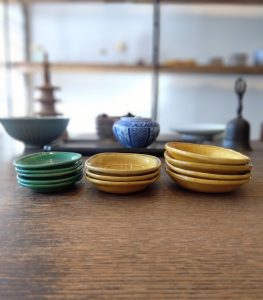
花束の代わりに、100年前の器で一緒にお茶、なんていうのもなかなか粋じゃないですか。
ではでは、また(スタッフT)
January flew by in the blink of an eye… Today, January 31st, the last day of the month, is apparently “Love Your Wife Day.”
It’s a play on words for “1 (ai) 31 (sai)” – I mean, Japanese people really love this kind of thing, don’t they?
Since I started working with antiques at Fūkōsha, instead of thinking “I should give flowers because it’s Love Wife Day,” I find myself wondering, “What did people give back in the day?”
During the Meiji and Taisho eras, expressions of affection probably weren’t put into words as much as they are today, so perhaps everyday items used in daily life were more common gifts than flashy presents.
For example, a pair of tea cups, a small incense burner, or a comb and hairpin set. None of these were just for special occasions; they were items used in daily life.
A pair of teacups might seem like just two matching pieces, but look closely and you’ll often find they’re subtly different in size or shape. Sometimes they weren’t even made to be perfectly identical from the start. Yet, even though they aren’t exactly the same, when placed side by side, they somehow fit together perfectly.
“This one’s for Dad,” “This one’s for Mom.”
Perhaps they were naturally used that way.
Matching, yet not identical. As vessels for a couple, it might be just the right distance.
Furthermore, the comb and hairpin set (kushikōgai) served not only as grooming tools but also as items imbued with the wish, “May you be safe every day.”
A chipped comb was considered bad luck, so they were handled with great care to prevent breaking or cracking.
Looking at the comb and hairpin sets that remain today, you can sense how meticulously their owners lived.
It’s fascinating how such items transcend time, now displayed as antiques in shops.
When I explain, “Perhaps a couple used these together,” many customers gently pick up the pieces—a touching sight.
Not extraordinary, yet cherished over time. Antiques might just be the most relatable form of affection.
Today is Wife Appreciation Day.
Instead of a bouquet, how about sharing tea together using a century-old bowl? That’s pretty stylish, don’t you think?
Well then, see you later (Staff T)
*******************
ご実家の整理やお片付けなどをされている方のご相談などが多くございます。
お片付けなどくれぐれもご無理のないようになさってくださいませ。
風光舎では古美術品や骨董品の他にも絵画や宝石、趣味のお品など様々なジャンルのものを買受しております。
お片付けをされていて、こういうものでもいいのかしらと迷われているものでも、どうぞお気軽にご相談下さいませ。
また風光舎は、出張買取も強化しております。ご近所はもちろん、愛知県内、岐阜県、三重県その他の県へも出張いたします。
まずは、お電話お待ちしております。
愛知県名古屋市千種区姫池通
骨董 買取【古美術 風光舎 名古屋店】
TEL052(734)8444
10:00-18:00 OPEN
