お知らせ - 風光舎 | 愛知・名古屋での骨董古美術買取 三重 岐阜 - Page 68

お知らせ

News

FROMKYOTOOSAKA

オリンピック開会式は、寝落ち派でした。(愛知県名古屋市千種区姫池通 骨董買取 古美術風光舎)

2024.07.27

みなさまこんにちは、スタッフYでございます。


いよいよ開幕しましたね、パリオリンピック。

日本では本日午前2:30から開会式が放映されておりましたが、昨日のスタッフTではありませんが、皆さまはLIVEで見る派でしたか?諦める派?でしたでしょうか。それにしても、スタッフTがどっち派だったか気になりますね笑。


ご存じの通り、今年のパリオリンピックの開会式はなんとスタジアムの外で開催され、またパリの街やセーヌ川の両岸を過剰にするといった開会の演出でして、どんなことになるのか開会前から大変気になるところではありました。


アスリートのパレードはセーヌ川で行われ、各国代表選手団のためにボートが用意され、各ボートにはテレビやインターネットの視聴者がアスリートを間近で見ることができるようにカメラが装備。セーヌ川を東から西へと進むことで10,500人のアスリートは16日間にわたって競技が繰り広げられるパリの中心を横断し、距離にして6kmに及ぶパレードはトロカデロ広場まで進み、そこではさまざまな式典とショーが行われるといった運びのようであります。それにしても開会式を含め「この祭典をアスリートを含めみんなで楽しもう。」と、いった日本とはまた違ったカルチャーを早速感じる開会式でありました。


そういえばこのスタイル、大阪の道頓堀でよく開催されている水上パレードやアイドルのゲリラライブを思い出します。船上に乗っている側も、川岸で観覧している側も、TVで見ている側も、いつもと違った見方、見せ方にたいへん盛り上がるので個人的にもどこかで一度はいってみたくなる演出なのですが。


今朝の開会式は時折強い雨が降るあいにくの天気でしたが、セーヌ川の両岸を埋め尽くした32万人余りの観客が水上で繰り広げられる演出にエキサイトしている様子を見ますと、船上のアスリートや演者も川岸の観覧者も、お互い流れていく風景や演出に、セーヌ川も道頓堀も気分は一緒なのでしょうか。次はなんだろう⁈と、どちら側もお互いわくわくしながら流れる景色や演出をみているのでしょうね。


開会式は慣例にならってギリシャの選手団が先頭の船で入場、難民選手団が続き、フランス語の国名のアルファベット順に各国の選手団が川を航行していきましたが、 バーレーン選手団が通過すると、セーヌ川上に浮かぶサンルイ島の先端に設置された階段に黒いドレスをまとったレディー・ガガさんが現れ、歌って踊りピアノを演奏して会場を盛り上げてているではないか!。なんだかミュージカルをみているようでした。ここまでは、まだ見る気満々。


さらに選手団の入場は続き、その合間合間に華やかな演出が披露されるような演出のようでして、 老舗キャバレー「ムーラン・ルージュ」のフレンチカンカン、フランス発祥のアクロバティック・スポーツ「パルクール」などなどフランスらしい演出。この頃になりますと自分も睡魔に耐えに耐え…。


そして、いよいよ日本選手団は93番目に登場しまして、ブレイキンのSHIGEKIX選手とフェンシングの江村美咲選手が旗手を務め、船上から選手たちが観客に向けて笑顔や希望に満ちた表情をみとどけて、「よし、応援できた。」と、満足して電池が切れたように寝落ち。ここからは記憶がありません。


その後、各国選手団がオステルリッツ橋から6km下流にたどりつくと、式典の舞台はエッフェル塔前のイエナ橋に移された。 オリンピック旗が掲揚され、フランスのマクロン大統領が開会を宣言した。 そして迎えたクライマックスの聖火台点火などなど開会式だったようですが、クライマックスを見届けぬまま朝を迎え、寝不足のままパソコンへむかっております。←いまここ。


昨夜のどっち派の話ではないですが、完全に「寝落ち派」笑。

よって、今日は帰って記憶にない後半部分を見直す予定でして、今シーズンはこんな調子でオリンピックを応援していそうでなりません。


それではごきげんよう。


Hello everyone, this is Staff Y.


The Paris Olympics have finally started.

In Japan, the opening ceremony was televised from 2:30 a.m. today. Or did you give up? Or did you give up? I’m curious to know which group Staff T was in.


As you know, the opening ceremony of this year’s Paris Olympics was held outside of the stadium, and the city of Paris and both banks of the Seine were used as the stage for the opening ceremony.


The parade of athletes will take place on the Seine River, and boats will be prepared for the national delegations, each boat equipped with cameras so that television and Internet viewers can see the athletes up close. The parade, which will travel 6 kilometers from east to west along the Seine River, will cross the center of Paris, where the competition will be held for 16 days, and will proceed to Place Trocadéro, where various ceremonies and shows will be held. The opening ceremony and other events, including the “Let’s enjoy this festival together, including the athletes. The opening ceremony was a different culture from that of Japan.


This style reminds me of the water parades and guerrilla live performances of idols that are often held in Dotonbori, Osaka. I personally would like to see this style of performance at least once in my lifetime, because the people on the boat, the people watching on the riverbank, and the people watching on TV all get very excited at the different way of seeing and presenting the event.


The weather for this morning’s opening ceremony was unfortunate, with occasional heavy rain, but the 320,000 or so spectators who filled both banks of the Seine River were excited to see the performance unfold on the water, and the athletes and performers on the boats and the spectators on the riverbank seemed to feel the same way about the scenery and the performance. The athletes and performers on the boat and the spectators on the riverbank seem to be in the same mood. Both sides must be looking at the scenery and the performances with excitement, wondering what is going to happen next.


As is customary, the Greek delegation entered in the lead boat at the opening ceremony, followed by the refugee delegation, and then the athletes from each country sailed down the river in alphabetical order of their country’s name in French. Lady Gaga appeared on the stairs at the tip of Saint-Louis Island on the Seine, singing, dancing, and playing the piano to the delight of the audience. It was like watching a musical. So far, I was still ready to watch.


The entrance of the athletes continued, and in between the entrance, there seemed to be a spectacular performance, including a French-style performance by the long-established cabaret “Moulin Rouge” and the acrobatic sport of “parkour,” which originated in France. By this time, I was also enduring sleep deprivation…


Finally, the Japanese athletes made their 93rd appearance, with Shigekix (breakin’) and Misaki Emura (fencing) serving as flag bearers. I was so satisfied that I fell asleep as if my battery had run out. From this point on, I have no memory.


Later, when the national athletes reached 6 km downstream from the Osterlitz Bridge, the stage for the ceremony was moved to the Jena Bridge in front of the Eiffel Tower. The Olympic flag was hoisted, and French President Macron declared the event open. The climax of the opening ceremony was the lighting of the torch. ←I’m here now.


I am not talking about last night’s “which group”, but I was a complete “sleep deprived” person, lol.

So, I am going to go home today and rewatch the second half that I don’t remember, and I don’t think I will be cheering for the Olympics at this rate this season.


Have a good day.


*******************


ご実家の整理やお片付けなどをされている方のご相談などが多くございます。

お片付けなどくれぐれもご無理のないようになさってくださいませ。

風光舎では古美術品や骨董品の他にも絵画や宝石、趣味のお品など様々なジャンルのものを買受しております。

お片付けをされていて、こういうものでもいいのかしらと迷われているものでも、どうぞお気軽にご相談下さいませ。

また風光舎は、出張買取も強化しております。ご近所はもちろん、愛知県内、岐阜県、三重県その他の県へも出張いたします。

まずは、お電話お待ちしております。


愛知県名古屋市千種区姫池通

骨董 買取【古美術 風光舎 名古屋店】

TEL052(734)8444

10:00-18:00 OPEN

#出張買取#骨董#古美術#骨董品#絵画#版画#茶道具#刀剣#彫刻


いよいよ開幕!見る派?諦める派?(愛知県名古屋市千種区姫池通 骨董買取 古美術風光舎)

2024.07.26

皆さまこんにちは、スタッフTでございます。

いよいよ本日夜、パリオリンピックの開会式ですね。日本時間は深夜ですが、皆さまリアルタイムで見る派ですか?諦める派ですか?


パリがオリンピックの開催都市になるのは、今回で3度目。3度開催したのは、パリとロンドンだけなのだそう。前回のパリ開催は100年前の1924年。


今回のオリンピックでは「スポーツを街のなかに」がテーマのひとつであり、たくさんの競技が市内で開催される予定です。なかでも見どころなのは、やはり「開会式」ですよね。

パリ五輪の開会式は、これまでの長い歴史のなかで初めてとなる試みとして、スタジアム外で開催されることが発表されています。パリ市街自体が会場で、パリを流れるセーヌ川がメインとなり、観客は河岸や橋の上、大型のスクリーンなどからも式典の様子を観られるようです。

セーヌ川に沿ってパレードするなんておしゃれだな~と思いますが、いったいどれくらいの人が集まるのか。予想では30万人以上の観客が集まると言われています。いやもう、想像しただけで酸欠になりそうですが。とはいえ、自分が生きているうちに自国開催される機会はなかなかないことですから、その空気は肌で感じたいですもんね。


すでに一部の競技は予選が開始していますので、そのうち「金メダル第一号は…」「日本勢のメダル第一号は…」といったニュースも聞こえてくるでしょうか。メダルを獲っても獲らなくても、いつも観戦しているスポーツの熱い戦いに胸を躍らせたり、今回採用の新競技なども含め普段観ないスポーツに出会えるのもオリンピックならでは。


皆さまはどんな種目、選手を推していますか?推しがいるならなおさら観戦にも力が入るもの。そのプレーを目に焼き付けなくてはなりませんね。いやいや、オリンピック楽しみになってきました。今日の開会式は頑張って起きて観ようかな。果たして起きていられるかしら…。しばらく寝不足の日々が続きそうです。


ではでは、また。


Hello everyone, this is Staff T.

It is finally time for the opening ceremony of the Paris Olympics this evening. It is midnight in Japan time, but do you want to watch it in real time? Or do you want to give up?


This is the third time for Paris to host the Olympics, and only Paris and London have hosted the Olympics three times. The last time Paris hosted the Olympics was 100 years ago in 1924.

One of the themes of this year’s Olympics is “Bringing Sports to the City,” and many events are scheduled to be held in the city. The highlight of the Olympics is the “Opening Ceremony.

For the first time in the long history of the Paris Olympics, the opening ceremony will be held outside the stadiums. The main venue will be the Seine River, which flows through Paris, and spectators will be able to watch the ceremony from the riverbanks, bridges, and large screens. It seems fashionable to have a parade along the Seine, but how many people will gather? It is estimated that more than 300,000 spectators are expected to gather. I feel like I’m going to run out of acid just imagining it. However, I would like to feel the atmosphere of the event firsthand, since I will not have the opportunity to host the event in my own country while I am still alive.


Some of the events have already started their qualifying rounds, so I wonder if we will soon hear news such as “The first gold medal will be…” or “The first medal from Japan will be…”. Whether or not we win a medal, we will be thrilled by the passionate competition in sports that we usually watch, and we will also be able to see sports that we do not usually watch, including the new events that have been adopted for this year’s Olympics.


What events and athletes do you favor? If you have a favorite, you will be even more excited to watch the games. I have to watch the games and see what they are doing. I am looking forward to the Olympics. I will try my best to stay awake to watch the opening ceremony today. I wonder if I will be able to stay awake…. I think I’m going to be sleep deprived for a while.


See you soon.


*******************


ご実家の整理やお片付けなどをされている方のご相談などが多くございます。

お片付けなどくれぐれもご無理のないようになさってくださいませ。

風光舎では古美術品や骨董品の他にも絵画や宝石、趣味のお品など様々なジャンルのものを買受しております。

お片付けをされていて、こういうものでもいいのかしらと迷われているものでも、どうぞお気軽にご相談下さいませ。

また風光舎は、出張買取も強化しております。ご近所はもちろん、愛知県内、岐阜県、三重県その他の県へも出張いたします。

まずは、お電話お待ちしております。


愛知県名古屋市千種区姫池通

骨董 買取【古美術 風光舎 名古屋店】

TEL052(734)8444

10:00-18:00 OPEN

#出張買取#骨董#古美術#骨董品#絵画#版画#茶道具#刀剣#彫刻


【着物・琴・茶道具・買取】名古屋市千種区のお客様より買取致しました。(愛知県名古屋市千種区姫池通 骨董買取 古美術風光舎)

2024.07.26


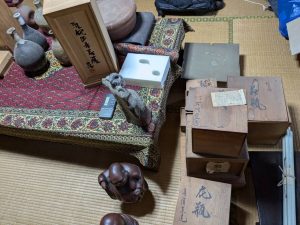
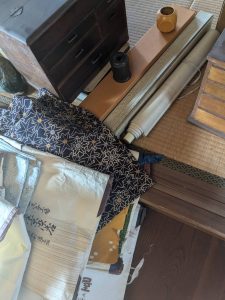
名古屋市千種区のお客様より着物、琴、茶道具等多数買取いたしました。

長年大切にされておりました御品をお譲りくださり、誠にありがとうございました。


只今、古美術風光舎では、ご家庭にございます骨董古美術品の買取も強化しております。

処分にお困りのお品などございましたらご相談ください。

なお、毎月18日の持込鑑定会では無料鑑定・買取・ご相談など、ご予約なしで承っております。

ご近所の皆さま、ご遠方のみなさまも、お気軽にお越しくださいませ。


*******************


ご実家の整理やお片付けなどをされている方のご相談などが多くございます。

お片付けなどくれぐれもご無理のないようになさってくださいませ。

風光舎では古美術品や骨董品の他にも絵画や宝石、趣味のお品など様々なジャンルのものを買受しております。

お片付けをされていて、こういうものでもいいのかしらと迷われているものでも、どうぞお気軽にご相談下さいませ。

また風光舎は、出張買取も強化しております。ご近所はもちろん、愛知県内、岐阜県、三重県その他の県へも出張いたします。

まずは、お電話お待ちしております。


愛知県名古屋市千種区姫池通

骨董 買取【古美術 風光舎 名古屋店】

TEL052(734)8444

10:00-18:00 OPEN


帝室技芸員 初代諏訪蘇山(愛知県名古屋市千種区姫池通 骨董買取 古美術風光舎)

2024.07.25

みなさまこんにちは、スタッフYでございます。


先日から時々ブログにて少しずつ取り上げております 帝室技芸員。


昨年10月に石川県美術館にて行われました「皇居三の丸尚蔵館収蔵品展 皇室と石川」を訪れ、その際、帝室技芸員の作品を一度にたくさん鑑賞できたのですが、訪れた当初は感動し、お腹いっぱいといったところでした。そんなわけで思わず購入した図録を今頃思い出して眺めているのですが、図録を読み返していると「なるほど、そうなんだ。」といった新たな知識と感動したあの時の印象が今頃結びついてき、いろいろ噛み締めているところであります。


本日は、そんな中印象に残っております石川県生まれの帝室技芸員、陶工 初代諏訪蘇山についてご紹介いたします。


まずは、展覧会で鑑賞しました2作品を。


青磁鳳雲文花瓶

「皇居三の丸尚蔵館収蔵品展 皇室と石川」図録より


青磁鳳雲文花香炉

「皇居三の丸尚蔵館収蔵品展 皇室と石川」図録より


初代諏訪蘇山(1851-1922)は明治~大正の陶芸家、金沢生であります。名は好武、別号に金水堂、精斎など。当初、加賀藩で武芸を学び軍務に携わるのですがのちに離職。任田徳次(彩雲楼旭山)に陶画法を学んで陶画業を始めます。その後、九谷陶器会社、石川県工業学校などに勤めてその後京都の錦光山製陶場に招かれます。

明治40年には独立。五条坂に開窯し、青磁、白磁、彩磁のほか窯変の法など釉薬の研鑽に努め、特にその青磁は「蘇山青磁」と称され彼の作品の特徴となっていきます。


画像ではその「蘇山青磁」をうまくお伝え出来ないのが誠に残念でありますが、透き通った艶のあるその淡青色に引き込まれ、自分が溶けていくような感覚になったような記憶が今も残っています。


蘇山の青磁作品はその淡青色の美しい色調とともに、精緻な造形や装飾が特徴的。蘇山は中国南宋時代の龍泉釜の砧青磁を探求し、胎土の研究も併せておこない、土に色をつけることでより理想に近い青磁を再現していきますが、その精緻な造形・装飾に欠くことの出来ない技が石膏型を用いた成形技法です。これにより蘇山は精緻な造形・装飾と高い再現性(量産性)を両立するのですが、近年その胴部の石膏型が発見され、本作の一部が型で造られたことが明確になりました。造形と装飾を同時に適える方法として、石膏型は優れており、これにより蘇山は早い時期から石膏型を駆使しいたことがうかがえ知れます。


そんな彼は、大正15年(1917)「蘇山の青磁が中国宋時代の青磁に真に迫っていた」という評価で帝室技芸員に任命されており、これらの二作品は共に帝室技芸員に任命後の蘇山へ宮内庁から特別注文されたものであります。


失敗を許されない作品制作。この薄青色の青磁に吸い込まれるような印象が今でもしっかり残っているのは、蘇山が自身の最高技術で応えた気迫のようなものが自分にも伝わってきたからでしょうか。


それにしても、なんと表現するのがふさわしいのか、ずっと言葉を探したくなる薄青色が今でも忘れられない2作品でありました。


それではごきげんよう。


Hello everyone, this is Staff Y.


Since the other day, I have been writing a little bit about Imperial Household Artists in my blog.

Last October, I visited “The Imperial Household and Ishikawa” at the Ishikawa Prefectural Museum of Art, where I was able to see many works by Imperial Household Artists at one time. I was so impressed that I bought the catalogue and now I am looking at it, and when I read it again, I was impressed by the new knowledge I gained. I am now looking at the catalogue I bought without thinking, and as I read it over again, new knowledge such as “I see, I see,” and the impressions I had at that time come together, and I am now chewing on various things.


Today, I would like to introduce Suwa Suzan I, a potter born in Ishikawa Prefecture and a member of the Imperial Household Artists’ Association, who left a deep impression on me.

First, I would like to introduce two pieces that I saw at the exhibition.


Celadon glazed vase with phoenix cloud design

From the catalogue of the exhibition “The Imperial Household and Ishikawa,” from the collection of the Imperial Palace San-no-Maru Shōzōkan


Celadon glazed incense burner with phoenix cloud design

From the catalogue of “The Imperial Household and Ishikawa: Exhibition of the Collections of the Imperial Household Museum” (Japanese only)


Suwa Suzan I (1851-1922) was a ceramic artist of the Meiji and Taisho periods. He was born in Kanazawa. His name was Yoshitake, and his other names included Kinsuido and Seisai. He initially studied martial arts in the Kaga Clan and served in the military, but later left the service. He studied pottery painting under Noda Tokuji (Saiunro Kyokusan) and began his career as a ceramic painter. After that, he worked at the Kutani Pottery Company and the Ishikawa Prefectural Industrial School before being invited to work at the Nishikozan Pottery in Kyoto.

In 1907, he became independent. He opened a kiln on Gojozaka and studied celadon, white porcelain, and colored porcelain, as well as glazes, such as the method of kiln transformation, and his celadon in particular is known as “Suzan celadon,” a characteristic of his work.


It is truly regrettable that I cannot show you the “Su Shan celadon” well in the picture, but I remember that I was drawn into the clear, glossy, pale blue color and felt as if I were melting away.


Su Shan’s celadon works are characterized by their exquisite molding and decoration as well as their beautiful pale blue color. He reproduced celadon porcelain more closely resembling the ideal by adding color to the clay, and the molding technique using plaster molds is indispensable for his exquisite modeling and decorations. The plaster molding technique is an indispensable technique for the exquisite molding and decoration of celadon porcelain. Plaster molds are excellent as a method to simultaneously achieve modeling and decoration, and it is evident that Sosan made full use of plaster molds from his early period.


In 1917, he was appointed as a member of the Imperial Household Artists for his reputation that “Su Shan’s celadon porcelain was truly close to the celadon porcelain of the Sung dynasty in China.


The production of these works was a process that allowed no room for failure. I still have a strong impression of being absorbed by this pale blue celadon, perhaps because I was able to feel the spirit with which Suyama responded with his best techniques. I still cannot forget the pale blue color of these two works, which makes me want to keep searching for words to describe them.


I will leave you with my best wishes for the future.


*******************


ご実家の整理やお片付けなどをされている方のご相談などが多くございます。

お片付けなどくれぐれもご無理のないようになさってくださいませ。

風光舎では古美術品や骨董品の他にも絵画や宝石、趣味のお品など様々なジャンルのものを買受しております。

お片付けをされていて、こういうものでもいいのかしらと迷われているものでも、どうぞお気軽にご相談下さいませ。

また風光舎は、出張買取も強化しております。ご近所はもちろん、愛知県内、岐阜県、三重県その他の県へも出張いたします。

まずは、お電話お待ちしております。


愛知県名古屋市千種区姫池通

骨董 買取【古美術 風光舎 名古屋店】

TEL052(734)8444

10:00-18:00 OPEN

#出張買取#骨董#古美術#骨董品#絵画#版画#茶道具#刀剣#彫刻
【掛軸買取】尾張旭市のお客様より買取致しました。(愛知県名古屋市千種区姫池通 骨董買取 古美術風光舎)

2024.07.25


尾張旭市のお客様より掛軸多数買取いたしました。

長年大切にされておりました御品をお譲りくださり、誠にありがとうございました。


只今、古美術風光舎では、ご家庭にございます骨董古美術品の買取も強化しております。

処分にお困りのお品などございましたらご相談ください。

なお、毎月18日の持込鑑定会では無料鑑定・買取・ご相談など、ご予約なしで承っております。

ご近所の皆さま、ご遠方のみなさまも、お気軽にお越しくださいませ。


*******************


ご実家の整理やお片付けなどをされている方のご相談などが多くございます。

お片付けなどくれぐれもご無理のないようになさってくださいませ。

風光舎では古美術品や骨董品の他にも絵画や宝石、趣味のお品など様々なジャンルのものを買受しております。

お片付けをされていて、こういうものでもいいのかしらと迷われているものでも、どうぞお気軽にご相談下さいませ。

また風光舎は、出張買取も強化しております。ご近所はもちろん、愛知県内、岐阜県、三重県その他の県へも出張いたします。

まずは、お電話お待ちしております。


愛知県名古屋市千種区姫池通

骨董 買取【古美術 風光舎 名古屋店】

TEL052(734)8444

10:00-18:00 OPEN


中国では人気のキャラクター?(愛知県名古屋市千種区姫池通 骨董買取 古美術風光舎)

2024.07.24

皆さまこんにちは。スタッフHでございます。

今朝、出勤途中で見かけた沢山の日傘。最近は小さな子供から大人まで、また性別問わず日傘は必需品となっているようですね。様々な色や形のものを見かけました。サングラスに帽子、日焼け防止用マスクなど強い日差しに対するグッズがあふれていますが、パッと差すだけの日傘は中々手放せません。少し荷物にはなりますが…。


さて今、風光舎の入り口のウインドウには大きな中国の花入れが飾られています。交趾焼(こうちやき)と呼ばれるものです。


交趾とは現在のベトナム中部を指し、この地方から南方ルートを通り日本に来航した貿易船、「交趾船」によってもたらされたことから交趾焼と呼ばれるようになったとのこと。実際に制作されていた産地は明代後期の中国福建省南部の漳州(しょうしゅう)だとされています。

交趾焼は低火度で焼かれる鉛釉陶磁器で、緑(青)・黄・濃紫などの鮮やかな色彩と精緻な文様表現に特徴があります。現在は日本でも京都を中心に三彩の他にも瑠璃色や浅黄色など鮮やかな色彩のものがつくられています。

京都で交趾の生産が盛んに行われたのは江戸時代中期で、当時の中国清王朝の品が貿易船によって運び込まれ、京都の公家や僧侶、文人墨客と呼ばれる学者や茶人の興味を引き、愛用されました。

茶人が茶席で香合などとして使ったことにより、茶道の中心地である京都で陶工が交趾焼を作り始め、後に九谷など全国で作られるようになりました。現在は主に京都で作られており、陸や東アジアからもたらされた独特な色彩やデザインを今も引き継ぎ、京焼を代表する技法の一つともいわれています。


風光舎の交趾焼の花入れには四面に絵柄が描かれており、「猪八戒?」と思われる姿がまず目に留まりました。

もしやこの四面の絵は西遊記のメンバーかと思いきや、三蔵法師や孫悟空らしき姿は見あたりません。

猪八戒といえば子供の頃に観たTVドラマの「西遊記」の中で、常に何かを食べている食欲旺盛な姿が印象的で、そもそもどういうキャラクターなのかという疑問が湧いてきました。

猪八戒に関する言い伝えは様々あるようですが、もともとは天界の天の川の管理や大勢の水軍を指揮する天上の神様だったとか。しかしお酒好きで様々な悪事を繰り返し下界へ落とされました。ここまでで既に「えっ?」という感じの神様です。

下界で雌豚の体内に入り、太鼓腹、先のとがった耳、突き出た鼻の半人半豚の妖怪の姿で転生しました。西遊記ではその後三蔵法師と悟空に出会い天竺への旅を共にすることになっています。

日本ではあまり好意的に見られていない猪八戒ですが、欲望に正直で自由奔放な人間臭さが中国では人気で孫悟空人気を凌ぐほどだそうです。

猪八戒の名前には猪のもじが入っていますが、中国では猪は豚を意味し、十二支でも日本の猪は中国では豚で表されます。中国において豚は「多産」の象徴とされており、子だくさんになるという意味だけではなく「お金がお金を生んで裕福になる」という意味もあり縁起の良い動物とされています。

そういえば日本でも豚の形の貯金箱が昔は定番でしたね。豚の貯金箱からお金を取り出す時に、叩きつけて割るという、かなり荒っぽい方法がTVドラマなどで流れていました。一度やってみたかったのですが買ってもらえませんでした。今も売っているのでしょうか?


それでは、また次の機会に


Hello everyone. This is Staff H.

I saw many parasols on my way to work this morning. It seems that parasols have become a necessity for everyone these days, from small children to adults, regardless of gender. I saw many different colors and shapes. There are many goods to protect us from the strong sunlight, such as sunglasses, hats, and sun-protective masks, but a parasol that we can simply put on and off is something we can’t do without. It may be a bit cumbersome, but….

A large Chinese flower vase is displayed in the window at the entrance of the Fuhkosha. It is called “Kochi-yaki.


Kochi-yaki was brought to Japan by “Kochi-ship,” a trading ship that came to Japan from this region via the southern route. It is said that the actual production area was in Shouzhou in the southern part of Fujian Province in China in the late Ming Dynasty.

Koji ware is lead-glazed porcelain fired at low temperatures and characterized by vivid colors such as green (blue), yellow, and deep purple and exquisite patterns. Currently in Japan, especially in Kyoto, other vivid colors such as lapis lazuli and asagi are being produced in addition to sansai.

The production of kojiki in Kyoto flourished in the mid-Edo period (1603-1868), when items from the Qing Dynasty in China were brought in by trading ships and became the favorite of Kyoto’s court nobles, Buddhist monks, scholars called “literati” and “bokaku” (writers and artists), and tea masters.

Tea masters used them as incense containers at tea ceremonies, and potters in Kyoto, the center of the tea ceremony, began to make koji-yaki pottery, which later came to be made throughout Japan, including Kutani. Today, koji-yaki is mainly made in Kyoto, where it still retains the unique colors and designs brought from Riku and East Asia, and is considered one of the most representative techniques of Kyoyaki pottery.

Fumikosha’s koji-ware flower vases have designs painted on all four sides. The first thing that caught my eye was the figure of what appeared to be “Cho Hakkai,” or “The Eight Preceptors of Wild Boar.

I wondered if the four paintings were members of the Journey to the West, but I could not find any figures that looked like Sanzang-houshi or Sun Wukong.

Speaking of Cho Hakkai, the TV drama “Journey to the West,” which I watched as a child, left a strong impression of a man with a voracious appetite who was always eating something, which led me to wonder what kind of character he was.

There are various legends about Choha-kai. Originally, he was a heavenly god who managed the Milky Way in the heavenly realm and commanded a large navy. However, he loved to drink and repeatedly did various evil deeds, and was cast down to the lower realms. So far, he is already a “What? He is a god with a “what?” feeling.

In the lower world, he entered the body of a sow and was reincarnated as a half-human, half-pig demon with a drum belly, pointed ears, and a protruding nose. In the Journey to the West, he is supposed to meet Sanzo and Goku and travel with them to Jersey.

Although Choha-kai is not viewed favorably in Japan, his honesty with his desires and his free-spirited, human-like nature are said to be popular in China, even more so than Sun Wukong’s popularity.

Although his name contains the Chinese character for boar, in China boar means pig, and in the twelve signs of the Chinese zodiac, the Japanese boar is represented by the Chinese pig. In China, the pig is a symbol of “fertility” and is considered a lucky animal not only because it means to have many children, but also because it means “money begets money and makes you wealthy.

Come to think of it, pig-shaped piggy banks used to be a standard item in Japan as well. When taking money out of the piggy bank, I used to smash it and break it, which is a very rough way of taking money out. I wanted to try it once, but they did not buy it. Do they still sell them now?

Well, I’ll see you next time.


*******************


ご実家の整理やお片付けなどをされている方のご相談などが多くございます。

お片付けなどくれぐれもご無理のないようになさってくださいませ。

風光舎では古美術品や骨董品の他にも絵画や宝石、趣味のお品など様々なジャンルのものを買受しております。

お片付けをされていて、こういうものでもいいのかしらと迷われているものでも、どうぞお気軽にご相談下さいませ。

また風光舎は、出張買取も強化しております。ご近所はもちろん、愛知県内、岐阜県、三重県その他の県へも出張いたします。

まずは、お電話お待ちしております。


愛知県名古屋市千種区姫池通

骨董 買取【古美術 風光舎 名古屋店】

TEL052(734)8444

10:00-18:00 OPEN

#出張買取#骨董#古美術#骨董品#絵画#版画#茶道具#刀剣#彫刻
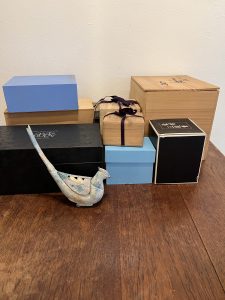


【茶器・洋食器買取】名古屋市昭和区のお客様より買取致しました。(愛知県名古屋市千種区姫池通 骨董買取 古美術風光舎)

2024.07.24


名古屋市昭和区のお客様より茶器と洋食器など買取いたしました。

長年大切にされておりました御品をお譲りくださり、誠にありがとうございました。


只今、古美術風光舎では、ご家庭にございます骨董古美術品の買取も強化しております。

処分にお困りのお品などございましたらご相談ください。

なお、毎月18日の持込鑑定会では無料鑑定・買取・ご相談など、ご予約なしで承っております。

ご近所の皆さま、ご遠方のみなさまも、お気軽にお越しくださいませ。


*******************


ご実家の整理やお片付けなどをされている方のご相談などが多くございます。

お片付けなどくれぐれもご無理のないようになさってくださいませ。

風光舎では古美術品や骨董品の他にも絵画や宝石、趣味のお品など様々なジャンルのものを買受しております。

お片付けをされていて、こういうものでもいいのかしらと迷われているものでも、どうぞお気軽にご相談下さいませ。

また風光舎は、出張買取も強化しております。ご近所はもちろん、愛知県内、岐阜県、三重県その他の県へも出張いたします。

まずは、お電話お待ちしております。


愛知県名古屋市千種区姫池通

骨董 買取【古美術 風光舎 名古屋店】

TEL052(734)8444

10:00-18:00 OPEN


涼しさを感じられる絵柄のお品です(愛知県名古屋市千種区姫池通 骨董買取 古美術風光舎)

2024.07.23

皆さまこんにちは。スタッフHでございます。

朝から強い日差しが容赦なく照りつけていますね。

せめてもの癒しに涼しげなお品を紹介いたします。

こちら茶道における「茶箱点前」の道具の一つである「茶筅筒(ちゃせんづつ)」と呼ばれるものです。

江戸時代の品で、三日月や秋草の蒔絵が施されています。よく見ると小さな粒銀がちりばめられ、小さな茶筅筒の中に幻想的な世界が広がっています。


茶箱とは茶道で使われる長さ20cmほどの長方形の箱で、お茶を点てる道具が一式収まった携帯用の箱です。

その中で茶筅筒は茶筅を安定させるため、また他の道具の水濡れを避けるために茶筅を収納する筒です。竹でてきた柔らかい穂先が萎んで、この細い筒にすっぽりと収まります。

裏千家の茶箱点前には季節に応じて、花点前(春)、卯の花点前(夏)、月点前(秋)、雪点前(冬)があります。風光舎の茶筅筒は月点前で使われたのでしょうか。


茶箱の歴史は古く、千利休が野外でお茶を楽しむ野点に使ったり、旅先にお茶道具一式を入れて持ち運んだようです。

江戸時代後半、裏千家11代家元の玄々斎が利休形の茶箱を元に茶箱点前を創案したとされます。卯の花点前は雪月花のお点前を簡略化した茶箱のお稽古の最初に習うお点前で、13代円能斎が多少の改良を加え現在のお点前になったといわれています。

小箱から一つ一つ道具を取り出していき、終わりには綺麗に収まっていく様は流麗で無駄な動きがなく、見ているだけでも気持ちのいいお点前です。場所を選ばずに楽しめるのはいいですね。


ちなみに茶筅についてですが、日本国内で販売されている茶筅のうち国産のものは約3割。そしてそのほぼ全てが奈良の高山産だそうです。高山茶筅の歴史は室町時代後期まで遡ります。農業の傍ら茶筅づくりの技術を受け継ぎ、地名を「鷹山」から「高山」に改め茶筅づくりを続けてきました。高山茶筅を家業とするのは18軒だそうです。

茶筅づくりは一子相伝で伝えられてきたと言います。かなりの手先の器用さが求められる気がするのですが…。

薄茶を点てるなら、穂の数が多い「80~100本立」が綺麗な泡がたちやすいそうですが、穂先が早く摩耗しやすくなる側面もあるため、80本立がおすすめだそうです。

また少ないお湯で抹茶を練る濃茶では、ダマが残らずしっかり粘土を出すために、穂先がしっかりしている穂の数が50本以下の「荒穂」で点てます。

流派によっても使用する茶筅が変わるようで、裏千家や江戸千家では白竹でできた穂先が内側に曲がった形状のもの、表千家は赤茶色の煤竹、武者小路千家では紫竹で穂先がまっすぐな茶筅が使用されるなど素材や形状も様々なようです。


忙しい日々、静かにお茶をゆっくり点てる時間をあえて作るのもいいかもしれませんね。


それでは、また次の機会に。


Hello everyone. This is Staff H.

The strong sunlight has been shining on us mercilessly since this morning.

I would like to introduce a cool item to soothe you at least.

This is a chasen tsuzutsu, one of the utensils used in the tea ceremony.

It was made in the Edo period and is decorated with maki-e lacquer of crescent moons and autumn grasses. If you look closely, you can see small grains of silver scattered throughout the small tea whisk barrel, creating a fantastical world inside.


A tea box is a rectangular box about 20cm long used in the tea ceremony and is a portable box that contains a set of utensils for making tea.

The Chasen tsuzumi is a tube that holds the Chasen in order to stabilize it and to prevent other utensils from getting wet. The soft tip of the bamboo whisk fades and fits completely into this narrow tube.

Urasenke’s tea box tea ceremony includes Hana-temae(spring), Unohana-temae (summer), Tsuki-temae (autumn), and Yuki-temae (winter) according to the season. Was Fukosha’s Chasen-temae for Tsuki-temae?


The history of the tea box is long, and it seems that Sen no Rikyu used it for nodate (tea ceremony in the open air) and carried a set of tea utensils with him when he traveled.

In the latter half of the Edo period (1603-1867), the 11th Iemoto of the Urasenke School, Gentzai, is said to have invented the tea box tea ceremony based on the Rikyu-shaped tea box. Unohana-temmae is said to be a simplified version of the Setsugetsuka-temae, which is learned at the beginning of tea box practice, and was slightly modified by the 13th Ennosai to become the current style.

It is said that Ennosai the 13th added some improvements to it and made it into what it is today. It is nice to be able to enjoy it in any place.


By the way, about 30% of all tea whisks sold in Japan are made in Japan. And almost all of them are made in Takayama, Nara. The history of Takayama Chasen goes back to the late Muromachi period. The family inherited the technique of making tea whisks while farming, changed the name of the place from “Takayama” to “Takayama” and has continued to make tea whisks. It is said that there are only 18 families that make Takayama Chasen as their family business.

It is said that the art of making tea whisks has been handed down from one generation to the next. I have a feeling that it requires a great deal of dexterity.

If you want to make thin tea, it is said that “80 to 100 whisks” with a large number of whisks will produce beautiful froth, but the whisk with 80 whisks is recommended because the whisk tips tend to wear out quickly.

For Koicha (thick tea), in which matcha is kneaded with less hot water, “Araho” whisks with less than 50 tips are used in order to produce a firm clay without lumps.

The material and shape of the tea whisk seem to vary depending on the school, with Urasenke and Edo Senke using white bamboo with the tip bent inward, Omotesenke using reddish brown sooty bamboo, and Mushakoji Senke using purple bamboo with a straight tip.


In our busy days, it might be a good idea to make time for a quiet and leisurely tea ceremony.


See you next time.


*******************


ご実家の整理やお片付けなどをされている方のご相談などが多くございます。

お片付けなどくれぐれもご無理のないようになさってくださいませ。

風光舎では古美術品や骨董品の他にも絵画や宝石、趣味のお品など様々なジャンルのものを買受しております。

お片付けをされていて、こういうものでもいいのかしらと迷われているものでも、どうぞお気軽にご相談下さいませ。

また風光舎は、出張買取も強化しております。ご近所はもちろん、愛知県内、岐阜県、三重県その他の県へも出張いたします。

まずは、お電話お待ちしております。


愛知県名古屋市千種区姫池通

骨董 買取【古美術 風光舎 名古屋店】

TEL052(734)8444

10:00-18:00 OPEN

#出張買取#骨董#古美術#骨董品#絵画#版画#茶道具#刀剣#彫刻
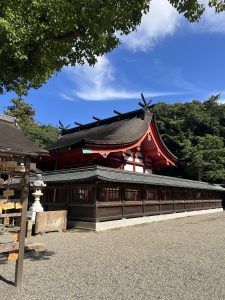


【オメガの時計・煎茶道具・輪島塗の椀買取】名古屋市千種区のお客様より買取致しました。(愛知県名古屋市千種区姫池通 骨董買取 古美術風光舎)

2024.07.23


名古屋市千種区のお客様よりオメガの時計、煎茶道具、輪島塗の椀を買取いたしました。

長年大切にされておりました御品をお譲りくださり、誠にありがとうございました。


只今、古美術風光舎では、ご家庭にございます骨董古美術品の買取も強化しております。

処分にお困りのお品などございましたらご相談ください。

なお、毎月18日の持込鑑定会では無料鑑定・買取・ご相談など、ご予約なしで承っております。

ご近所の皆さま、ご遠方のみなさまも、お気軽にお越しくださいませ。


*******************


ご実家の整理やお片付けなどをされている方のご相談などが多くございます。

お片付けなどくれぐれもご無理のないようになさってくださいませ。

風光舎では古美術品や骨董品の他にも絵画や宝石、趣味のお品など様々なジャンルのものを買受しております。

お片付けをされていて、こういうものでもいいのかしらと迷われているものでも、どうぞお気軽にご相談下さいませ。

また風光舎は、出張買取も強化しております。ご近所はもちろん、愛知県内、岐阜県、三重県その他の県へも出張いたします。

まずは、お電話お待ちしております。


愛知県名古屋市千種区姫池通

骨董 買取【古美術 風光舎 名古屋店】

TEL052(734)8444

10:00-18:00 OPEN


お祝いごとを彩ってきた銀製品(愛知県名古屋市千種区姫池通 骨董買取 古美術風光舎)

2024.07.21

皆さまこんにちは。スタッフHでございます。

銀にまつわる色々なお話をさせていただきましたが、本日は銀製品の中でも、お祝いや記念品として贈られることの多い銀杯とボンボニエールについて。


〈銀杯〉

日本では銀杯は伝統的な茶道具や祝い事の贈り物として用いられてきました。銀は魔除けの効果があるといわれ、江戸時代には将軍や大名への贈り物として、また結婚や出産などの慶事において用いられました。

銀杯と聞くと日本では100歳の長寿の祝いに内閣総理大臣から送られるものを思い浮かべる方も多いのではないでしょうか。1963年の老人福祉法制定により9月15日を「敬老の日」に定めて以降、100歳を迎える高齢者には記念としてお祝いの杯を贈る制度が開始されました。当初は木杯でしたが数年後に銀杯に変わり、杯の中央に「寿」の文字と裏面に「内閣総理大臣」の文字が刻まれています。

長年、純銀製のものが贈られていましたが、2016年からは銅、亜鉛、ニッケルの合金に銀メッキしたものに変更されています。


銀杯は古代ギリシャやローマでも儀式やお祝いの場で使用されました。中世ヨーローッパの頃は貴族たちが祝宴の席で使用し、銀杯は地位や権力、栄光の象徴とされてきました。教会では聖杯としてキリスト教の聖体拝領の儀式で用いられ、銀細工職人たちは緻密なデザインを施した銀杯を制作し芸術的な価値を高めていきました。


〈ボンボニエール〉

フランス語の響きが優雅で可愛らしい「ボンボニエール」。もともとはヨーロッパで子供の誕生や結婚式などのお祝い事の際にボンボン(bonbon)と呼ばれる砂糖菓子が配られ、その菓子を入れる容器をボンボニエールと呼びました。その形式が明治時代に皇室に取り入れられ、素材として銀製のものが多いことから「銀のボンボニエール」と呼ばれています。大正時代から昭和時代にかけて流行し、皇室以外でも制作されるようになりました。

日本で初めてボンボニエールが登場するのは明治22年2月11日、大日本帝国憲法発布式にともなう宮中晩餐会だとされています。その後外国からの賓客を招いた宮中晩餐会や、皇室の儀式である、御誕生、御着袴、成年式、立太子、御結婚、御即位、銀婚式などで引き出物として配られました。日本の吉祥文様や皇室の紋章、皇族が個々に持つ「御印」を基にしたデザインなどが施されています。中には金平糖が入っていることが多いようで、手のひらに載るほどの愛らしい菓子器は皇室の御慶事を彩る品とし受け継がれています。

形式は西洋様式ですが、日本のボンボニエールはデザインなど独自の発展を遂げました。

明治時代の廃刀令で刀職人たちが職を失ったことから、職人の生活支援と受け継がれてきた高度な技を維持するという理由で刀職人たちがボンボニエールの製作に携わったようです。兜や和船形などの日本の伝統的なものを模したデザインのボンボニエールも数多く作られ、金属工芸品として外国で称賛され、日本の伝統文化を伝える媒体としての役割も果たしました。


銀製品は食器やカトラリー、ジュエリー、茶道具、酒器、仏具など様々ありますが、美術品や骨董品としての価値により銀そのものの値段よりも査定額が高くなる場合もあります。銀の純度や重さの他にも保存状態や制作者の名声、デザインの希少性などが付加価値となることもあり、作品が入っていた箱や証明書がある場合も査定額が上がる要因となります。

ご自宅に眠っている銀製品など、価値が分かりにくいお品がございましたらご相談ください。


それでは、また次の機会に。


Hello everyone. This is Staff H.

Today, I would like to talk about silver cups and bonbonnieres, which are often given as gifts for celebrations and souvenirs.


Silver cups

In Japan, silver cups have been used as traditional tea utensils and gifts for celebratory occasions. Silver is said to ward off evil spirits, and in the Edo period (1603-1867), it was used as a gift for shoguns and feudal lords, and for celebratory occasions such as marriages and births.

In Japan, the word “silver cup” may remind many people of the cup sent by the prime minister to celebrate the 100th birthday of a person who has reached 100 years of age. Initially, the cups were made of wood, but a few years later they were replaced by silver cups with the word “Kotobuki” (longevity) engraved in the center of the cup and the words “Prime Minister” on the reverse side.

For many years, the cup was presented in sterling silver, but since 2016 it has been replaced by a silver plated alloy of copper, zinc, and nickel.


Silver cups were also used in ancient Greece and Rome for ceremonies and celebrations. In medieval Europe, it was used by the nobility at festive banquets, and silver cups were considered a symbol of status, power, and glory. In churches, it was used as a chalice in Christian communion ceremonies, and silversmiths produced silver cups with intricate designs, enhancing their artistic value.


Bonbonnier.

The French word “bonbonniere” has an elegant and lovely sound. Originally, sugar confections called “bonbons” were distributed at celebrations such as births and weddings in Europe, and the containers for these confections were called “bonbonnières. This form was adopted by the imperial family during the Meiji period (1868-1912) and is called a “silver bonbonniere” because it is often made of silver. It became popular from the Taisho period to the Showa period, and was also produced outside the imperial household.

Bonbonnieres first appeared in Japan on February 11, 1889, at the Imperial banquet held in conjunction with the promulgation of the Constitution of the Empire of Japan. After that, bonbonniere were distributed as gifts at court banquets to which foreign guests were invited, and at imperial ceremonies such as births, ceremonial hakama, coming-of-age ceremonies, coronation ceremonies, marriages, coronation ceremonies, and silver wedding ceremonies. They are decorated with Japanese auspicious patterns, the imperial family crest, and designs based on the “goin” seals that each member of the imperial family holds individually. The bowls are often filled with kompeito (kompeito sugar), and these adorable confectionery vessels, which are small enough to fit in the palm of the hand, have been passed down through the generations as items that add color to the Imperial family’s celebrations.

Although the form is Western in style, Japanese bonbonnieres have developed in their own unique way, including design.

Since swordsmiths lost their jobs during the Meiji period (1868-1912) when the Sword Law was abolished, swordsmiths were involved in the production of bonbonnieres in order to support their craftsmen and maintain the advanced skills that had been passed down from generation to generation. Many bonbonnieres were designed to resemble traditional Japanese objects such as helmets and wafune shapes, and were praised in foreign countries as metal crafts, serving as a medium for communicating traditional Japanese culture.


Silver products include tableware, cutlery, jewelry, tea ceremony utensils, sake cups, Buddhist ritual utensils, etc. In some cases, the appraisal value is higher than the price of the silver itself due to its value as art or antique. In addition to the purity and weight of the silver, the condition of preservation, fame of the creator, and rarity of the design may also add value.

Please contact us if you have any silver items at home whose value is difficult to be determined.


See you next time.


*******************


ご実家の整理やお片付けなどをされている方のご相談などが多くございます。

お片付けなどくれぐれもご無理のないようになさってくださいませ。

風光舎では古美術品や骨董品の他にも絵画や宝石、趣味のお品など様々なジャンルのものを買受しております。

お片付けをされていて、こういうものでもいいのかしらと迷われているものでも、どうぞお気軽にご相談下さいませ。

また風光舎は、出張買取も強化しております。ご近所はもちろん、愛知県内、岐阜県、三重県その他の県へも出張いたします。

まずは、お電話お待ちしております。


愛知県名古屋市千種区姫池通

骨董 買取【古美術 風光舎 名古屋店】

TEL052(734)8444

10:00-18:00 OPEN

#出張買取#骨董#古美術#骨董品#絵画#版画#茶道具#刀剣#彫刻


カテゴリー

出張査定可能エリア

その他の買取地域はこちらをご覧ください。

ページトップへ